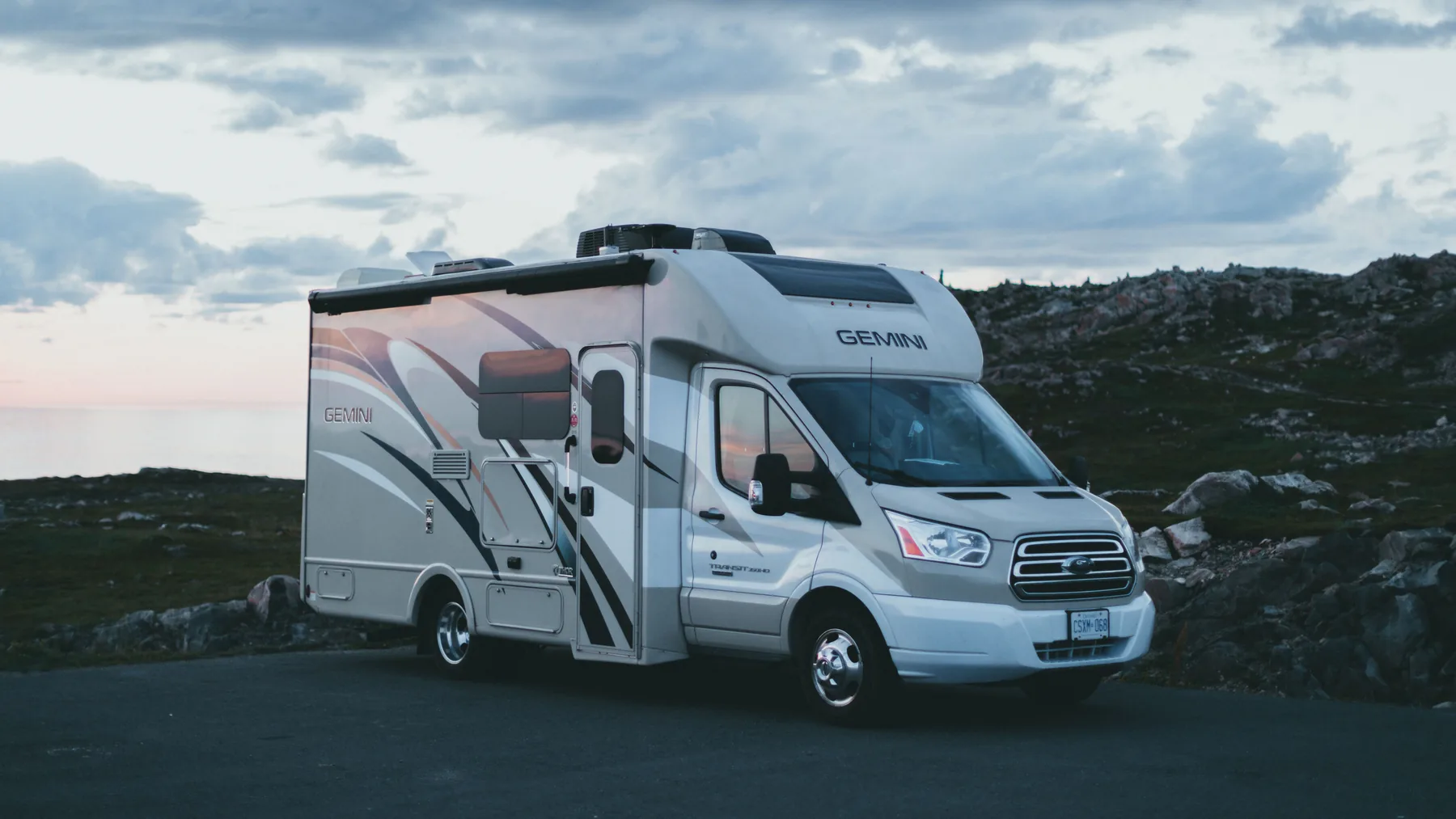
The Western Slope is a paradise for getting off the pavement, and that is exactly what wears out RV suspension. Every washboard forest road toward a boondocking site, every rutted track out past Whitewater or up toward the Grand Mesa, and every pounding mile of expansion joints on I-70 works the springs, shackles, and shocks that hold your rig together. Suspension is easy to ignore because it is out of sight, right up until a shackle bushing wears through or a leaf spring cracks — usually far from help. Suspension inspection and repair is a growing part of our mobile work around Grand Junction, and this guide covers what fails, the warning signs, and why catching it early matters so much out here.
Most travel trailers and fifth wheels ride on a fairly simple leaf-spring suspension that was built to a price, not for a lifetime of rough use. The corrugated washboard surface of the backroads RVers love around here sets up a relentless high-frequency pounding that fatigues metal and grinds bushings. Add the heat of a Grand Valley summer and the freeze of winter, and hardware corrodes and weakens faster. The very trips that make owning an RV on the Western Slope worthwhile are the ones quietly beating up the running gear underneath, which is why regular inspection matters more here than in gentler country.
The heart of most RV suspension is the leaf-spring pack connected to the frame by hangers, shackles, and bolts. The shackles and their bushings take enormous abuse and are the single most common wear point we find. When bushings wear, you get play, clunking, and misalignment that accelerates tire wear and stresses everything else. Worn shackles can eventually let a spring shift or a bolt shear. Upgrading to heavier-duty wet bolts and bronze bushings, which can be greased, is one of the best investments a Western Slope RVer can make, and it is work we routinely do at a customer's site.
Not every RV has shocks, but those that do rely on them to damp the bouncing that rough roads create, and worn shocks let the trailer porpoise and sway in a way that is both unpleasant and unsafe at highway speed. The equalizer — the pivoting link between axles on a tandem-axle rig — is another wear item that, when tired, lets the axles fight each other over bumps. We check shock condition and equalizer wear as part of any suspension inspection, because these components are what keep a loaded rig planted and stable on the long I-70 grades in and out of the valley.
Tires tell the story of what the suspension is doing. Cupped or scalloped wear points to worn shocks or bushings letting the tire bounce. Wear heavier on one side suggests an alignment or axle issue, often from a bent axle after a hard hit in a rut. Uneven wear across a tandem pair can mean the equalizer or springs are unequally loaded. Because a suspension problem often shows up first as a tire problem — and a compromised tire on a hot Grand Valley highway is a blowout waiting to happen — we always tie tire-wear patterns back to the running gear rather than treating them in isolation.
A hard enough hit — a deep pothole, a rock, a bad landing off a washout — can bend an axle or knock it out of alignment, and the rig will never track or wear tires right again until it is corrected. Signs include a trailer that pulls, dog-tracks behind the tow vehicle, or chews tires no matter how they are inflated. We measure and diagnose alignment on-site; correcting a bent axle or realigning one sometimes requires specialized equipment, but knowing that is the problem before you tow further is exactly the point of a proper inspection.
Suspension deserves attention because of where its failures happen. A shackle or spring that lets go tends to do so under load, on a grade or a rough road, often miles from town in the kind of remote country the Western Slope is full of. A collapsed spring can damage the frame, the tire, and the brake line all at once and leave you stranded somewhere without cell service. Preventive inspection is cheap insurance against an expensive, dangerous roadside failure, which is the whole argument for looking at the running gear before a big trip rather than after something breaks.
The smart move for any Grand Junction RVer who runs backroads is a suspension inspection before the season or before a big boondocking trip, not after a clunk turns into a bang. We come to you across Fruita, Palisade, Clifton, the Redlands, and out toward Delta and Montrose, put eyes and hands on the full suspension, and handle the common repairs — bushings, shackles, wet bolts, shocks, U-bolts — right where the rig sits. If your trailer is bouncing, sagging, clunking, or eating tires, let us take a look before your next run up the mountain.
For owners who spend real time on rough roads, a few upgrades pay for themselves. Wet-bolt kits with greaseable bronze bushings dramatically extend shackle life compared to the factory dry bolts. Heavier-rated springs or an added leaf can help a rig that rides at the edge of its capacity. Shock upgrades tame the bounce that fatigues everything else, and a quality equalizer with improved bushings smooths out tandem axles over washboard. None of these are exotic, and we can advise which ones actually make sense for how and where you travel around Grand Junction, rather than selling parts you do not need. The goal is a running gear package matched to Western Slope use.
Suspension rewards a little tracking. Note when bushings, shocks, and hardware were last serviced, keep an eye on ride height and tire wear between trips, and grease wet bolts on schedule if you have them. A quick crawl-under after a particularly brutal backroad — looking for shiny spots that signal movement, cracks, or loose U-bolts — catches trouble while it is cheap. RVers who build this rhythm into their routine simply do not get stranded by suspension failures, and the ones who never look underneath are the ones we meet on the side of I-70. A pre-season inspection is the easiest way to stay in the first group.
Watch for a trailer that sags or sits unevenly, excessive bouncing or sway on the highway, uneven or cupped tire wear, clunking over bumps, and visible cracks or rust on leaf springs, shackles, or hangers. Around Grand Junction, where a lot of rigs run washboard backroads to boondocking spots, worn shackle bushings and fatigued springs are the most common findings. Catching these early prevents a spring or axle failure on I-70.
Much of it, yes. We come to you across the Grand Valley to inspect the full suspension, and we handle common repairs like shackle and bushing replacement, shock replacement, U-bolt and hardware renewal, and wet-bolt upgrades on-site. Heavier axle or spring-pack work sometimes needs a shop, but we diagnose it where the rig sits so you know exactly what is needed before anything is moved.
What Mobile RV Repair Really Costs in Grand Junction (A Plain-English Guide) — Mobile RV repair that comes to you across the Grand Junction area.