Home > Blog > Guides
Guides • August 24, 2026
Pre-Trip RV Inspection Checklist for Grand Junction Travelers
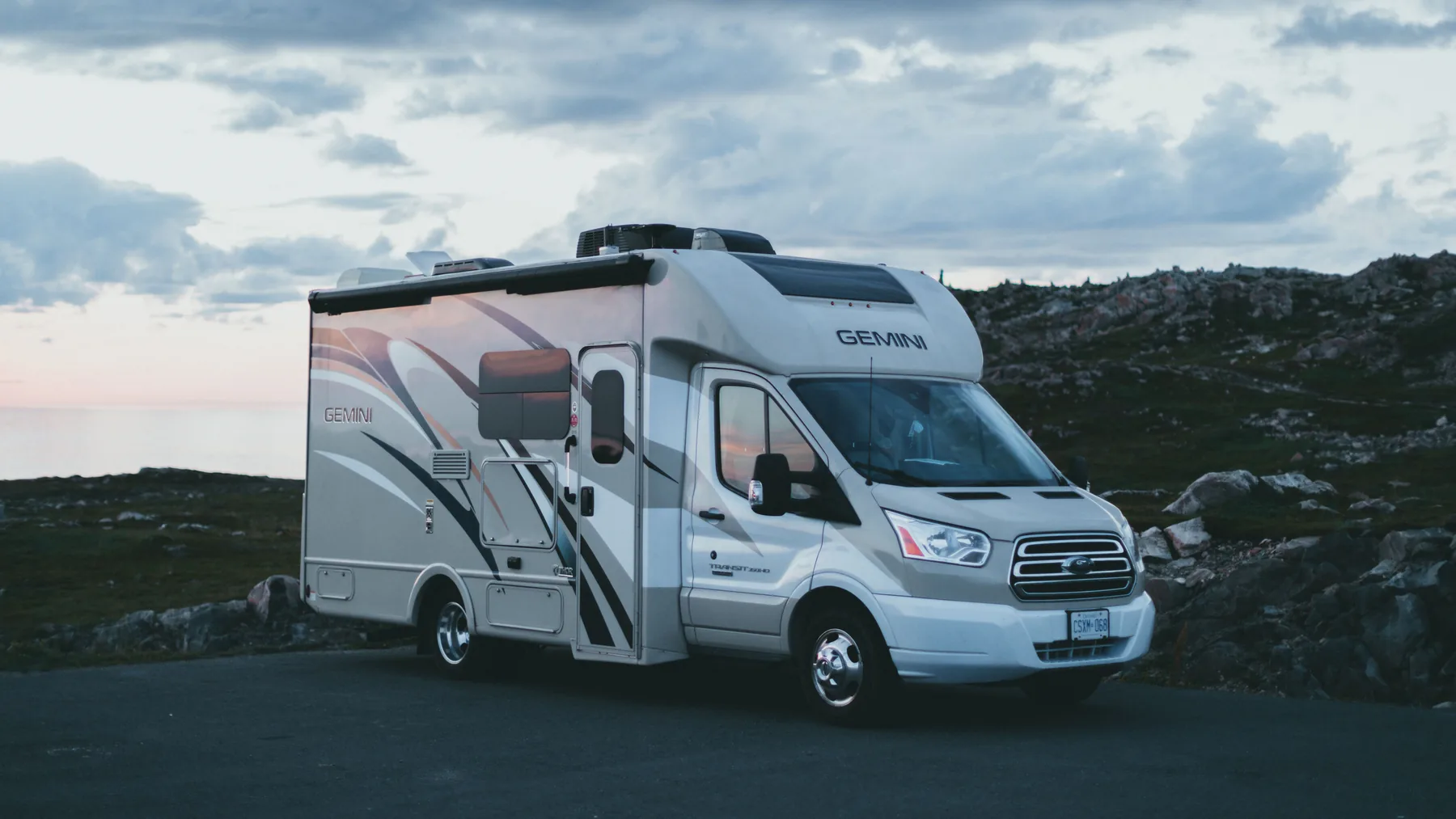
There is a reason experienced RVers never leave home without a walkaround, and around Grand Junction that reason is the terrain. Point your rig in almost any direction from the Grand Valley and you are soon climbing or descending real mountain grades, I-70 east through Glenwood Canyon, the high passes toward the ski country, or the long pulls south toward Delta and Montrose. Add high-desert heat and thin mountain air, and a small problem that would be harmless on flat ground can become a roadside emergency. A methodical pre-trip inspection is the cheapest insurance you can buy.
Tires are the number-one pre-trip item for Western Slope travel. Check the pressure on every tire, including the spare, when they are cold, and set them to the load-rated pressure, not just the number on the sidewall. Inspect for cracking, bulges, and uneven wear, and check the age code, because RV tires often age out before they wear out, and our intense high-desert UV accelerates that. A blowout on a long I-70 descent is exactly the scenario proper tire prep prevents.
Long mountain descents are brutal on brakes, so they must be right before you leave Grand Junction. Confirm the brakes engage firmly, listen for grinding, and if you tow a trailer, verify the brake controller and the breakaway system work. Wheel bearings deserve attention too; a bearing that is fine around town can overheat and fail on a sustained grade. If it has been a while since a bearing service, handle it before a big mountain trip, not after a problem on the pass.
For motorized rigs, go through the fluids: oil, coolant, transmission, brake, and power steering. Climbing grades in Grand Valley summer heat pushes cooling systems hard, so a full, clean coolant system and a sound radiator matter more here than in flatter, cooler places. Look for leaks under the rig, check belts and hoses for cracks, and make sure the coolant is rated for the temperature swings the Western Slope throws at you.
The Grand Junction climate, intense sun, wide temperature swings, and the occasional hard summer storm, is hard on roof sealant and seams. Before a trip, get up top safely and check the sealant around vents, the AC shroud, skylights, and the edges. A dried, cracked seam becomes a leak the first time you hit weather on the road. Catching it in your driveway is a five-minute fix; catching it after water gets into the ceiling is a major repair.
Do a full systems check while you still have shore power and time. Fire up the air conditioner and the furnace, light the water heater and fridge on both power modes, run the water pump and check for leaks, cycle the slides, extend and retract the awning, and test all the exterior and brake lights. It is far better to find a dead AC or a stuck slide at home than at a campsite hours up the mountain with no easy fix nearby.
Check that the house batteries are charged and the terminals are clean, and confirm your propane tanks are full and the system holds pressure with no leaks. Then verify the safety essentials that RVers skip at their peril: test the smoke, carbon monoxide, and propane detectors, confirm the fire extinguisher is charged, and make sure your emergency road kit is stocked. At altitude and in remote country, that safety gear is not optional.
How you load matters on grades. Distribute weight evenly, do not exceed your rig's ratings, and make sure heavy items are secured so they do not shift on a steep climb or descent. For towables, inspect the hitch, safety chains, and the weight-distribution setup carefully. A poorly loaded or badly hitched rig handles worse exactly when the Western Slope terrain demands it handle its best.
You can do most of this yourself, but before a big trip or at the start of the season, a professional set of eyes catches what an owner misses. A mobile tech can run a thorough pre-trip inspection right in your Grand Junction driveway, checking brakes, bearings, seals, and systems, and flag anything that needs work while there is still time to fix it. Do it a few days out, and you leave the Grand Valley with real confidence instead of crossed fingers.
Not every trip stresses the rig the same way. A run down to the desert is a heat-and-tire trip; a climb into the high country is a brakes-cooling-and-altitude trip. Before you leave Grand Junction, think about where you are actually headed and weight your inspection accordingly. Heading up I-70 toward the passes means extra attention to brakes, coolant, and how the rig is loaded; heading out to boondock means batteries, propane, water, and your charging setup. Tailoring the walkaround to the terrain ahead is how seasoned Western Slope travelers avoid surprises.
Leaving the Grand Valley almost always means gaining elevation, and altitude changes how some systems behave. Generators lose output in thin air and may need adjustment, propane appliances can burn differently, and even sealed containers and plumbing feel the pressure change. If your travels take you well above Grand Junction's already-elevated four-and-a-half thousand feet, keep an eye on anything that ran fine in the valley but acts up higher, and factor it into your pre-trip thinking.
The best way to make pre-trip checks stick is to write them down. Keep a simple checklist in the rig and initial each item as you go, and note the date of tire, brake, and bearing service so nothing quietly ages out. Over a season, that log tells you and any tech you call exactly what has been done and what is due. It turns a vague once-over into a real maintenance record, which pays off both in safety and at resale.
A thorough pre-trip inspection does more than prevent breakdowns; it lets you actually enjoy the trip. When you know the tires are sound, the brakes are strong, the roof is sealed, and every system works, you can point the rig up the mountain from Grand Junction without that nagging worry in the back of your mind. That confidence, on terrain as demanding as the Western Slope's, is worth the hour or two the checklist takes.
When you inspect matters as much as how. The first trip of spring deserves the most thorough once-over, because the rig has sat through a Grand Junction winter and seals, tires, batteries, and burners may all have suffered. Mid-season trips can lean on quicker checks focused on tires, fluids, and anything you noticed last outing. And the final trip before winter storage is the moment to note what needs attention over the off-season. Tying your inspection depth to the calendar keeps the rig road-ready without redundant effort.
The best time to meet a mobile RV tech is before something breaks, not on the shoulder of I-70. Having a pre-trip inspection done once puts your rig's condition and history on record with someone who can then help fast if a problem comes up on the road. For Grand Valley travelers who venture into remote country, knowing there is a technician who already knows your rig is real peace of mind, and it starts with a simple pre-trip visit in your driveway.
Tires and brakes, because of the terrain. Almost any direction you travel from the Grand Valley involves serious grades, from I-70 through Glenwood Canyon to the passes toward the mountains. Underinflated or aging tires and tired brakes that might be fine on flat ground become dangerous on a long descent. If you check nothing else thoroughly, check those two.
Give yourself several days, not the morning of departure. If you find a worn tire, a soft brake, or a seal that needs attention, you want time to get it fixed before you leave Grand Junction, not to discover it at a trailhead. A mobile tech can come to your driveway a few days out so anything found can be handled without derailing your plans.
What Mobile RV Repair Really Costs in Grand Junction (A Plain-English Guide) — Mobile RV repair that comes to you across the Grand Junction area.