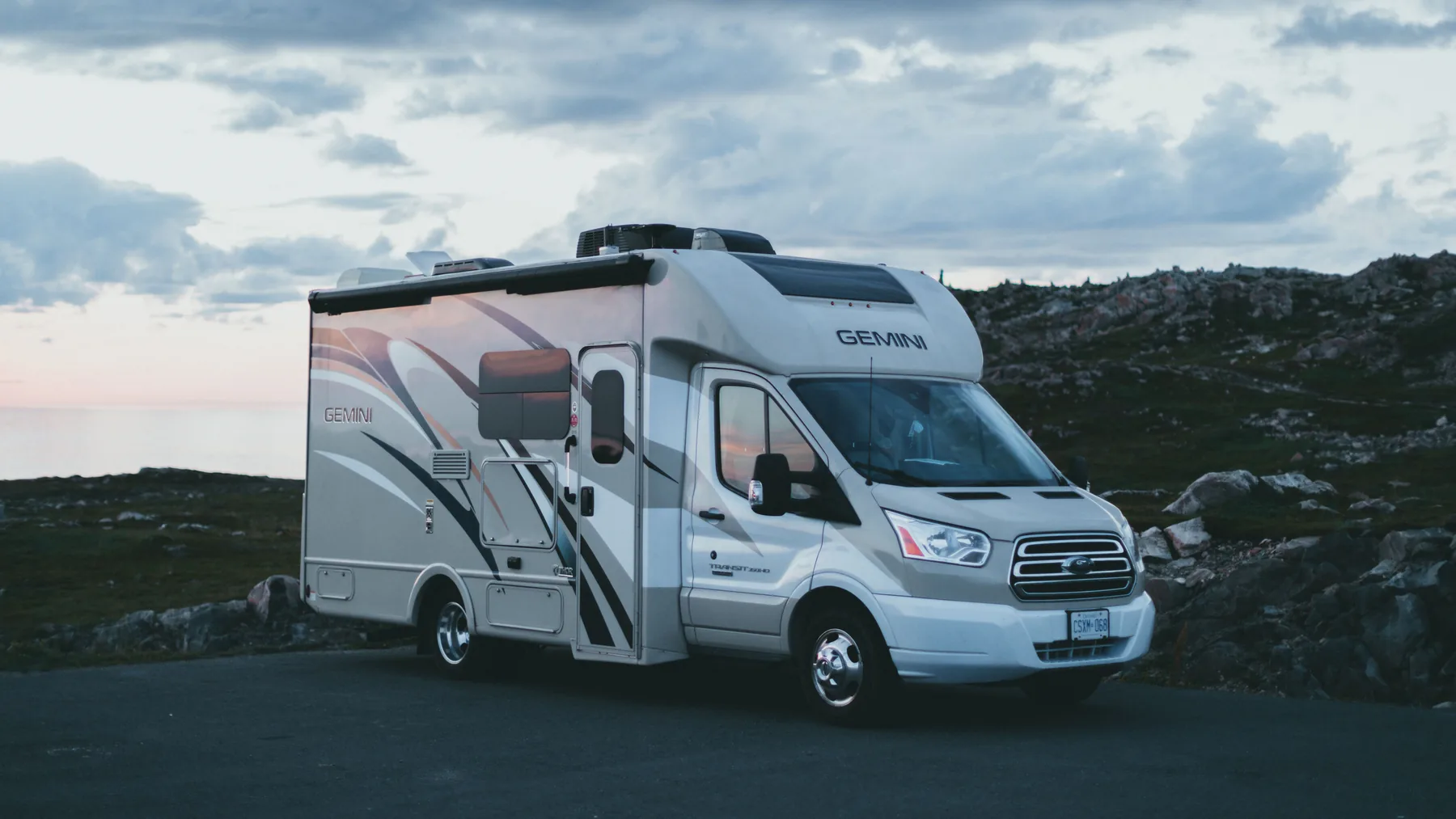
There is no flat way out of the Grand Valley. Whether you are climbing east on I-70 toward the tunnel or dropping down toward Delta and the San Juans, every RV trip from Grand Junction involves real, sustained mountain grades — and grades are the ultimate test of two systems most owners never think about: trailer brakes and wheel bearings. A brake that fades or a bearing that seizes on a long descent is not a roadside inconvenience; it is a genuine emergency. This guide explains why the Western Slope demands healthy brakes and bearings, the warning signs to catch first, and why a pre-grade inspection at your site is some of the cheapest safety money you can spend.
Flatland towing is forgiving; mountain towing is not. On a long descent your trailer brakes work continuously to help hold back thousands of pounds, building heat that can fade worn linings or boil out weak systems. At the same time, wheel bearings run hot under sustained load, and a bearing that was marginal on flat ground can fail under the heat and stress of a Colorado grade. The Grand Valley's geography means these systems get worked hard on nearly every trip, so components that might last for years elsewhere wear faster here and deserve closer, more frequent attention.
Most RV trailers use electric drum brakes, and they wear in predictable ways: linings thin out, magnets that engage the drum wear down and lose grip, drums score, and adjusters seize so the shoes no longer sit close to the drum. The result is weak, uneven, or fading braking exactly when you need it on a descent. Electrical faults — corroded connections, a weak ground, a failing brake controller — can also leave you with far less trailer braking than you think. We test each brake's function and current draw, inspect the drums and shoes, and adjust or replace what is worn so all axles pull their weight on the hill.
Wheel bearings are simple, cheap, and absolutely critical. Packed in grease inside each hub, they let the wheel spin freely under load, and when they run dry or wear out they overheat, seize, and can lock a wheel or start a fire at highway speed. The fix is preventive: periodically repack the bearings with fresh grease, inspect the races for pitting, and replace worn bearings and seals before they fail. A leaking seal that lets grease escape or contaminate the brakes is a common find. This is bread-and-butter service, but skipping it is one of the most common causes of catastrophic roadside trailer failures.
Your rig will usually warn you. A growling or grinding hum that rises with speed, a hub that is too hot to touch after a drive, wobble or play when you rock the tire, or grease flung around the wheel all point to bearing trouble. Weak, grabby, or fading braking, a burning smell on a descent, or a trailer that pushes the tow vehicle in stops point to brakes. Feeling a hub for heat at a rest stop on the way up a grade is a habit that has saved many trailers. If you notice any of these around Grand Junction, the move is to stop and check before the next climb, not after it.
How you load the rig changes how hard the brakes and bearings work. An overloaded trailer or one with too much weight behind the axles stresses bearings and demands more from the brakes on every descent. Staying within your axle and tire ratings, and distributing weight properly, is part of keeping these systems healthy. We often find that a rig struggling on grades is simply loaded heavy or unevenly, and correcting that — along with servicing the brakes and bearings — transforms how it tows. The NHTSA's trailer towing guidance is a good primer on loading and braking that every mountain-country RVer should know.
The right time to service brakes and bearings is before the towing season and before any big mountain trip, not after a scare. An annual inspection and repack, done a little more often if you tow heavy or run dusty backroads, keeps the systems ahead of failure. Bundling it with a suspension and tire check turns a pre-trip visit into complete peace of mind for the running gear. Doing it on a calm day in your driveway is far better than discovering a problem halfway up a grade with traffic behind you.
Brake and bearing work is a perfect fit for mobile service, because the whole point is to catch problems before you tow anywhere. We come to you across Grand Junction, Fruita, Palisade, Clifton, the Redlands, and out toward Delta, inspect and test the brakes on every axle, repack or replace bearings and seals, and check the controller and wiring — all where the rig sits, so you never have to tow a questionable trailer to a shop. Before your next run over the grades, let us make sure the parts that hold you back on the descent are ready for it.
It is easy to focus on the trailer and forget the brake controller in your tow vehicle, but it is half the system. A controller set too low leaves the trailer barely braking on a grade, throwing all the work onto your truck; set too aggressively, it can lock trailer wheels. On long Western Slope descents, a properly tuned controller that applies smooth, proportional trailer braking is what keeps the whole rig under control and your truck brakes from overheating. When we service trailer brakes, we also help you confirm the controller is wired well and dialed in for your loaded weight, so the trailer does its share of the holding on the way down.
All of this comes down to a simple idea: the mountains around Grand Junction reward preparation and punish neglect. Brakes and bearings are not glamorous, but they are the systems standing between a controlled descent and a runaway or a fire. A yearly inspection and repack, service before big trips, attention to the warning signs, and a properly tuned controller add up to towing you do not have to worry about. If it has been a while — or if you have never had these systems looked at — a pre-grade mobile inspection is the easiest safety upgrade you can make before your next trip out of the valley.
A common guideline is to inspect and repack wheel bearings and check brakes roughly every year or every 12,000 miles, whichever comes first, and sooner if you tow heavy or run rough roads. Around Grand Junction, where nearly every trip involves real mountain grades and many involve dusty backroads, we lean toward the annual end of that range. Bearings that overheat or brakes that fade on a long I-70 descent are exactly what this service prevents.
Classic signs are a growling or grinding hum that changes with speed, a wheel hub that feels hot after driving, wobble or play when you rock the tire, or grease slung around the wheel. Any of these means stop before the grades — a failed bearing can seize a wheel or start a fire. We can inspect, repack, and replace bearings at your site around the Grand Valley so you are not gambling on a descent.
What Mobile RV Repair Really Costs in Grand Junction (A Plain-English Guide) — Mobile RV repair that comes to you across the Grand Junction area.