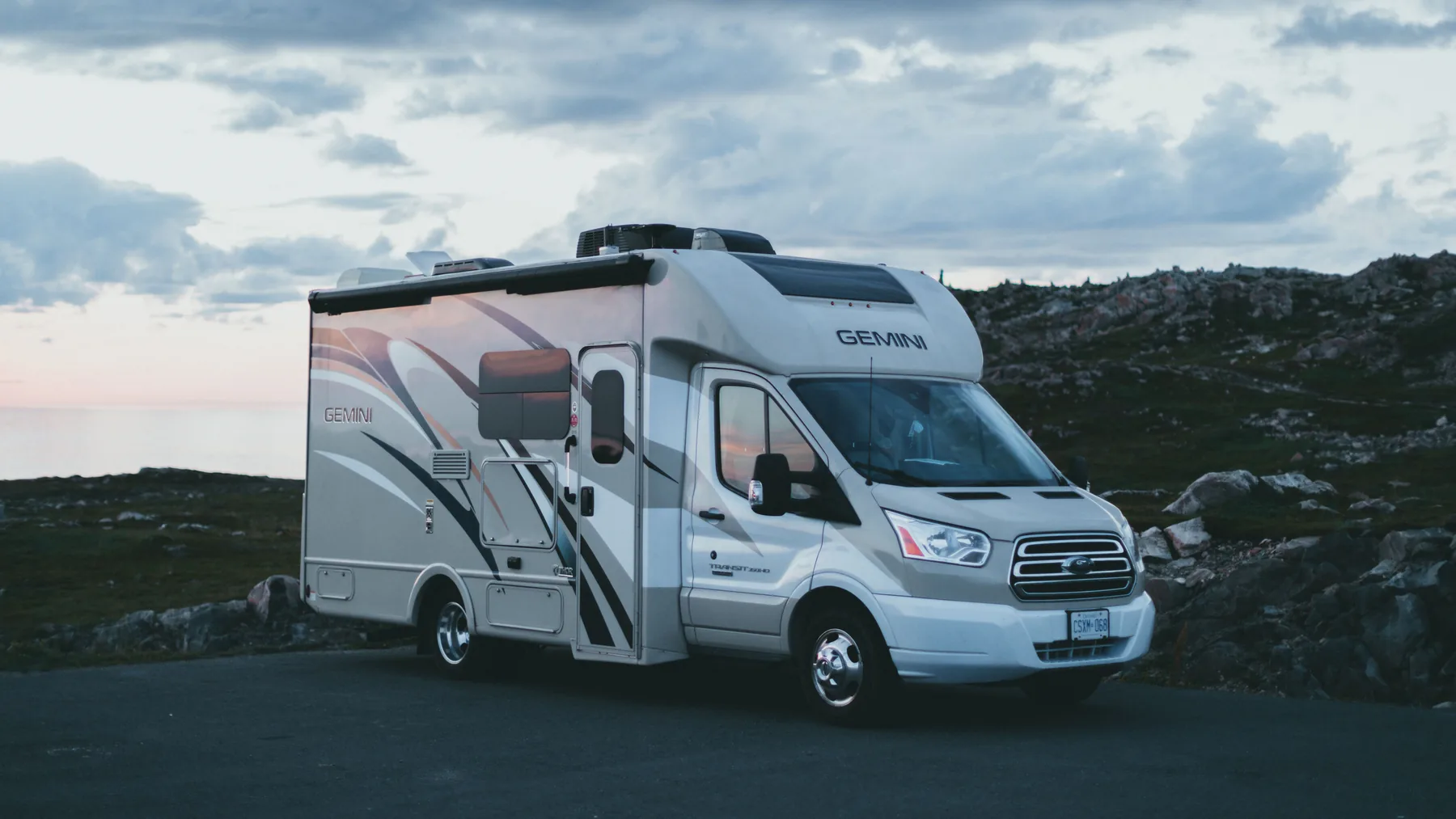
When the season winds down and the rig is heading into hibernation, how you store it through a Grand Valley winter decides what condition it is in come spring. Freezing nights, dry high-desert air, and months of sitting all take a toll on an RV that is simply parked and forgotten. A little effort now prevents the flat spots, dead batteries, rodent nests, and cracked seals that greet careless owners in April. Here is how to put a rig away properly on the Western Slope.
Winterizing and storing are not the same
People often use these terms interchangeably, but they are two jobs. Winterizing protects the plumbing from freezing by draining the system and running antifreeze through the lines, which is essential in Grand Junction where hard freezes are guaranteed. Storing is everything else: protecting the tires, batteries, engine, seals, and interior through months of inactivity. You need both. A rig that is winterized but otherwise neglected can still come out of storage with ruined tires or a rodent-chewed wiring harness.
Where to store: indoor, covered, or outdoor
Indoor storage is the gold standard, shielding your rig from snow load, UV, and temperature swings, but it is the priciest and hardest to find locally. Covered storage is a solid middle ground. Most Grand Valley owners store outdoors, which is fine if you prepare for it: use a breathable RV cover rated for the sun and snow, never a plastic tarp that traps moisture, and pick a spot that drains well so the rig is not sitting in slush. Wherever you park it, level the rig and chock it securely.
Protecting tires through the freeze
Tires suffer most in storage. Sitting in one position for months on cold, hard ground causes flat spots and accelerates the sidewall cracking that Western Slope sun and cold already encourage. Inflate to the rated pressure before storage, because tires lose pressure as temperatures drop and an underinflated tire is more prone to damage. Park on boards rather than bare ground or gravel, cover the tires to block UV, and if you can, move the rig a few feet mid-winter to change the contact point. These small steps add years to a set of tires.
Batteries in the cold
Cold and long idle time are hard on batteries. A battery left connected slowly discharges through parasitic draws, and a discharged battery can freeze and be ruined. The safest approach is to fully charge the batteries, then either disconnect them and store them somewhere that does not drop to deep-freeze temperatures, or keep them on a quality maintainer. Check the charge periodically through the winter. Batteries are one of the most common things owners replace each spring simply because they were left to die over a Grand Junction winter.
Keeping rodents and pests out
A parked RV is prime real estate for mice, especially as they seek warmth heading into a cold Western Slope winter. They chew wiring, insulation, and upholstery, and the damage can be severe and expensive. Seal obvious entry points around plumbing and wiring pass-throughs, remove all food, and place deterrents inside cabinets and the engine bay. Leaving a few interior cabinet doors open helps you spot activity. An hour of pest-proofing is cheap insurance against a chewed harness that turns into a major repair.
Fuel, fluids, and the engine
For anything that will sit for months, treat the fuel with a stabilizer and run the engine long enough to circulate it through the system, which matters for both the chassis and the generator. Top off the fuel tank to limit condensation. Make sure fluids are at proper levels and consider fresh oil if it is due, since old oil sitting in an engine all winter is not doing it favors. Run the generator under a light load periodically if you can access the rig, as generators dislike sitting idle for a full season.
Seals, roof, and moisture
Dry winter air and freeze-thaw cycles are tough on sealant. Inspect and touch up the roof and window seals before storage so melting snow does not find its way in during a thaw. Clean the interior thoroughly, because crumbs invite pests and lingering moisture invites mildew. Crack a vent or use moisture absorbers inside to control condensation, and lubricate slide seals and lock them in. A rig that goes into storage clean, dry, and sealed comes out of a Grand Junction winter in far better shape than one shut up damp.
A pre-storage checklist for the Grand Valley
Pulling it together: winterize the plumbing, fully charge and protect the batteries, inflate and cover the tires and park on boards, stabilize and top off the fuel, pest-proof the interior and engine bay, touch up seals, clean the inside, and cover the rig with a breathable cover. Note anything that needs repair so you tackle it before spring rather than discovering it when you are eager to travel. Working the list in one afternoon saves a frustrating, expensive wake-up months later.
Do not forget the little things
Small details separate a smooth spring from a frustrating one. Defrost and prop the refrigerator open so it does not grow mildew, and empty, clean, and treat the holding tanks so they are ready. Remove valuables and anything freezing could ruin, like canned goods and liquids. Retract awnings fully and secure them against Grand Valley winter winds. Turn off the propane at the tank. Photograph the rig as you close it up so you have a record of its condition, which is handy for both insurance and your own memory when spring arrives.
Check on it through the winter
Storage is not entirely set-and-forget. If you can reach the rig, look in on it every few weeks: check the battery charge, glance for signs of rodents, confirm the cover is still secure after a windstorm, and make sure snow is not pooling anywhere it should not. A quick mid-winter visit catches small problems, a shifted cover, a nibbled corner, a low battery, before they become spring disasters. Owners who peek in occasionally almost never get an ugly surprise when the Western Slope finally thaws.
Spring wake-up starts now
Good storage is really about spring. The owners who prep carefully in the fall are the ones towing out to Palisade or up onto the mesas in April without drama, while those who parked and forgot are replacing batteries and tires and chasing rodent damage. If you would rather not spend the afternoon on it, we handle winterizing and storage prep on site throughout Grand Junction, Fruita, Clifton, and the Grand Valley. Either way, a rig put away right is a rig ready to roll the moment the Western Slope thaws.
A word on insurance while stored
Do not cancel coverage on a stored rig without thinking it through. Comprehensive coverage still protects a parked RV against hail, wind, fire, theft, and rodent damage, all real risks through a Grand Valley winter. Many owners keep comprehensive and drop only the road-use portions during storage months, then restore full coverage in spring. Check with your insurer before you park it, because a lapse can leave you exposed exactly when the rig is sitting unattended for months and most vulnerable to the very things a policy covers.