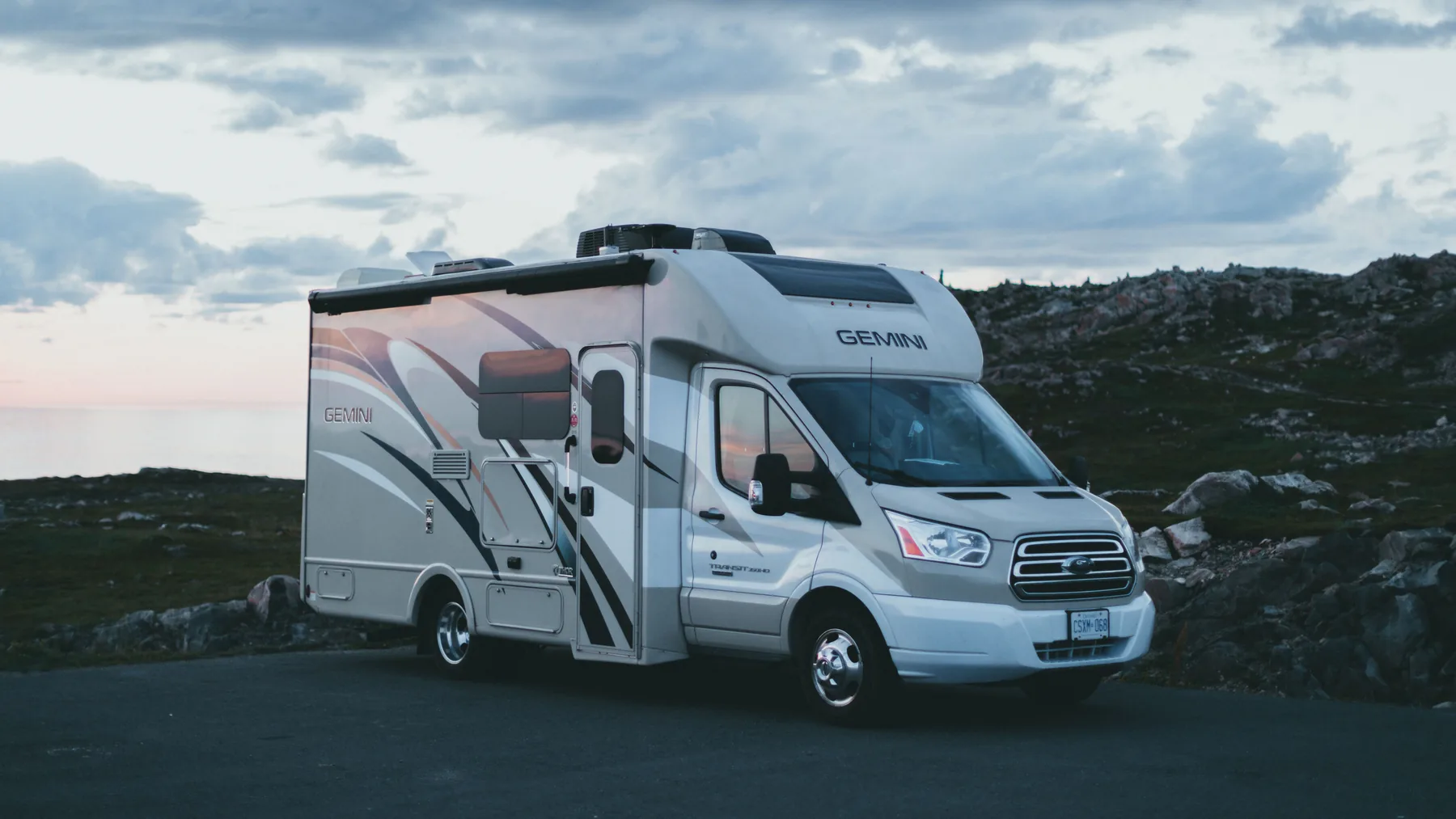
Cold showers are a rough way to start a morning on the Western Slope, and an RV water heater that quits is one of the more common calls we run around Grand Junction. The reassuring part is that RV water heaters are fairly simple appliances with a limited number of failure points, and many issues are things you can check or even fix yourself. Our local water and cold also play a role you would not see in a generic guide. Here is how to work through no hot water, or not enough of it, step by step.
Start by knowing your system. Older RVs use a tank heater that runs on propane, electric, or both, lighting either with a manual pilot or automatic direct spark ignition. Newer rigs increasingly use tankless on-demand heaters. The troubleshooting differs, so identify whether you have gas only, electric only, or a dual-source tank, and whether it lights automatically or by pilot. Knowing this tells you which controls to check and saves you chasing the wrong part.
On propane, first confirm gas is actually reaching the heater: is the tank open and not empty, do your stove burners light, and has the system been purged of air after running out. Air in the lines after a refill is a frequent reason a heater will not light on the first try. From there, a dirty burner, a clogged orifice, or spider webs in the tube, which love to nest in RV burner tubes, can block the flame. If it clicks and tries to light but fails, the igniter, gas valve, or a safety sensor may be at fault. Cleaning the burner assembly resolves a lot of these.
On electric, verify the heater actually has power: check the breaker, the switch, and any GFCI. If power is present but the water stays cold, the electric heating element or its thermostat and high-limit cutoff are the usual suspects. In the Grand Valley, hard-water scale builds up on the element and makes it run hot and fail early, so a dead element is a common find here. Never run the electric element with the tank empty, which destroys it almost instantly. Replacing an element or resetting a tripped high-limit is typically a quick, affordable repair.
Water in parts of the Grand Valley carries a lot of minerals, and that hard water is tough on a water heater. Scale and sediment collect in the tank, insulating the burner and element so the water heats slowly, clogging the drain and pressure-relief valve, and generally shortening the appliance life. If your hot water has grown lukewarm, slow to arrive, or discolored, a buildup is a likely cause. Periodically draining and flushing the tank, and maintaining the anode rod in tanks designed for one, clears the sediment and can add years to the heater. It is one of the most valuable maintenance habits for RVers in our water.
Sometimes the heater works but underperforms. A tank that empties of hot water almost immediately may have a failed element or burner running at half strength, a bad mixing valve, or heavy sediment stealing capacity. On dual-source heaters, running gas and electric together heats faster and recovers quicker, which helps a full campsite. If you have a tankless unit, weak or fluctuating hot water can come from low water flow, altitude affecting combustion, or scale in the heat exchanger. Matching the symptom to the cause keeps you from replacing parts that were fine.
Around Grand Junction, freeze protection ties directly into the water heater. A cracked tank or split lines from a hard freeze will leak and can mimic a heating failure. Before blaming the burner, make sure nothing froze and split over a cold snap, and keep the system winterized or protected when temperatures drop, as we cover in our freeze-damage guide. Bypassing and draining the water heater for storage also protects it and the anode over the winter, so it is ready when the camping season returns. The Dometic service literature outlines model-specific winterizing steps worth following.
Call for help when the heater will not light despite good gas, when an element or control has failed, when hard-water buildup needs a thorough flush, or when you find a leak or suspect freeze damage. Because we are fully mobile, we bring the parts and tools to your site across Grand Junction, Clifton, Fruita, and beyond, so you are not showering cold while you wait for a shop appointment. Many water heater fixes are same-visit repairs once the cause is pinned down.
A little upkeep prevents most failures. Flush the tank each season to clear our mineral sediment, check and replace the anode rod on tanks that use one, keep spider screens on the burner tube, exercise both heat sources so neither seizes from disuse, and winterize properly for storage. These simple steps counter the two things that age RV water heaters fastest here, hard water and hard freezes, and keep the showers hot on every trip.
No hot water usually traces to a handful of causes: air or a dirty burner on gas, a failed element or control on electric, hard-water scale robbing performance, or freeze damage in our cold. Identify your heater type, work the checks in order, and factor in the Grand Valley water and winters that generic guides miss. When you would rather have it fixed right the first time, we come to your campsite or driveway and restore the hot water on the spot.
That pattern usually points to the electric heating element or its thermostat and high-limit switch rather than anything on the gas side. Hard-water scale, common in parts of the Grand Valley, cakes onto the element and causes it to overheat and fail early. If gas heats fine but electric does nothing, have the element, thermostat, and reset checked. It is a common and usually affordable repair.
Very likely. Mineral-heavy water leaves scale and sediment in the tank that insulates the burner and element, slows heating, clogs the drain and relief valve, and shortens the heater life. Flushing the tank periodically, and using the anode rod in tanks that call for one, clears that buildup. If your hot water has gotten slow or rusty-looking, a flush is often all it takes to bring it back.
What Mobile RV Repair Really Costs in Grand Junction (A Plain-English Guide) — Mobile RV repair that comes to you across the Grand Junction area.