Home > Blog > Troubleshooting
Troubleshooting • August 24, 2026
No Power in Your RV? A Grand Junction Troubleshooting Guide
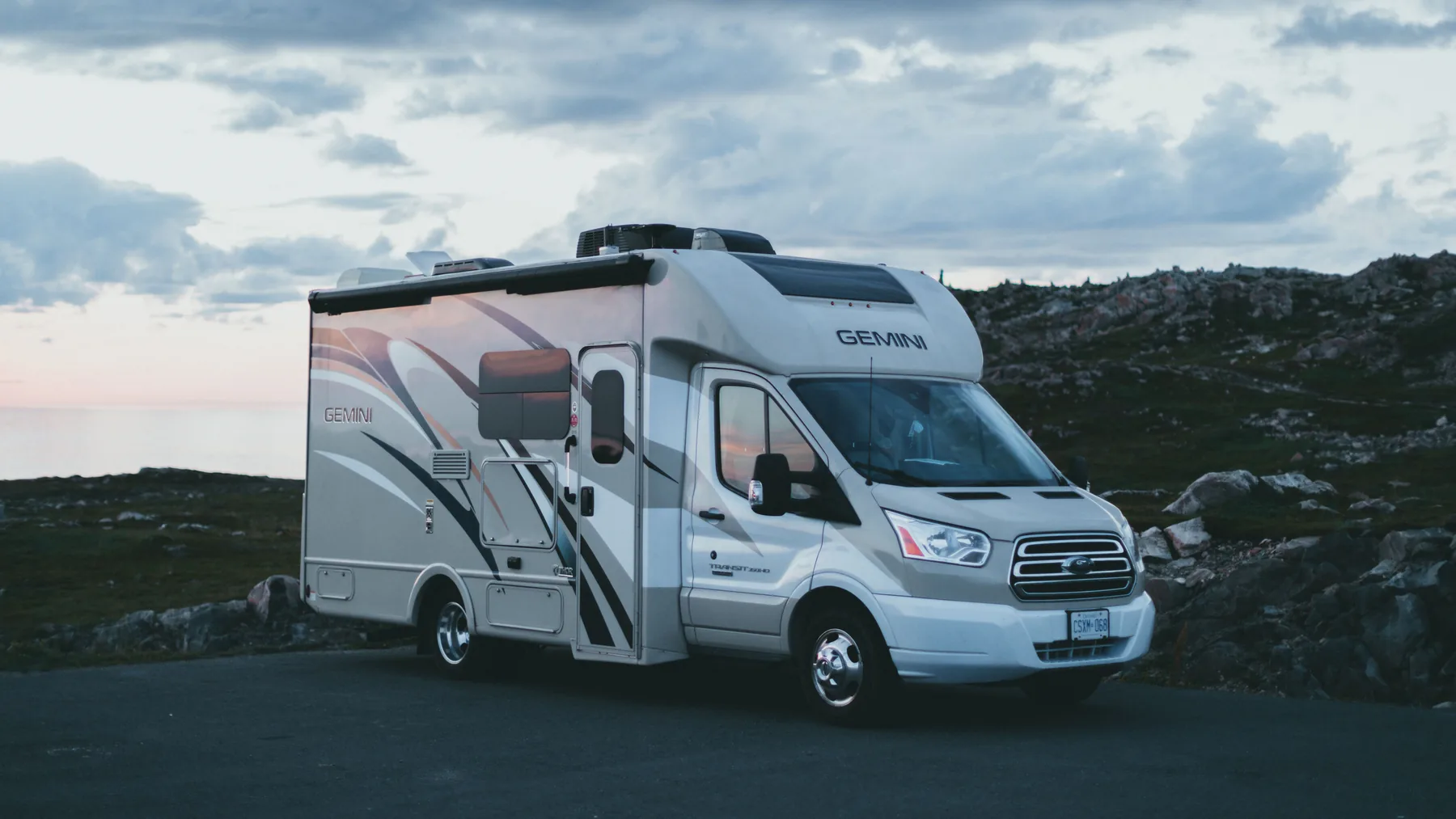
You flip a switch in your RV and nothing happens, no lights, no water pump, no fridge display. A total loss of power is one of the most alarming things that can happen on a Grand Valley trip, and it can strike whether you are hooked up at a Grand Junction RV park or boondocked out past the Book Cliffs. Before you assume a major failure and cut a trip short, it helps to work through the same logical sequence a mobile tech uses. Most no-power situations trace to a few culprits you can narrow down step by step.
RVs run two separate electrical systems, and knowing which one is dead cuts the problem in half. The twelve-volt system, fed by your house batteries, runs the lights, water pump, fridge controls, and slide. The one-hundred-twenty-volt system, fed by shore power or the generator, runs the outlets, microwave, and air conditioner. If your lights and pump are dead but the AC would run, you have a battery-side problem. If the outlets are dead but the interior lights work, it is a shore-power or converter issue. That single observation tells us where to start.
When you are plugged in at a campground pedestal and everything goes dark, do not assume the rig first. Check the pedestal breaker, then your surge protector, then the main breaker in the RV panel. Western Slope parks vary widely in the quality of their power, and a tripped or weak pedestal is common. Reset breakers one at a time, confirm the cord is fully seated, and verify the pedestal itself is live before opening up the coach. A bad campground outlet fools people into chasing problems that are not in their rig.
For twelve-volt failures, the batteries are the usual suspect. Look for a battery disconnect switch that got bumped off, then check the terminals for the corrosion and loose connections that vibration from I-70 and mountain passes loves to create. A multimeter reading tells the story: a healthy battery reads around twelve-and-a-half volts at rest, and anything down in the elevens is discharged or failing. Grand Junction cold snaps are hard on batteries, so a unit that struggled last winter may finally be done.
Your converter turns shore or generator power into the twelve volts that charges the batteries and runs the DC system. When it fails, the batteries slowly drain even while you are plugged in, and eventually everything twelve-volt dies. If your rig runs fine at first on shore power but the house system fades over hours, a failed converter or its fuse is a leading suspect. This is a frequent, and fixable, cause of a mysterious slow blackout.
Blown fuses take out individual circuits, but a corroded or loose main ground can take down the whole rig and mimic a catastrophic failure. We check the fuse panel for anything blown, then inspect the main ground connection to the frame, which corrosion and road grime can compromise over years of Western Slope driving. Tightening or cleaning a bad ground has revived plenty of rigs that looked completely dead.
A lot of Grand Valley camping happens off grid, and no-power calls out in the backcountry usually mean the batteries simply ran down faster than you expected, or the generator or solar that should have topped them off is not delivering. When you are dry camping near Grand Mesa or out in the high desert, power management is everything. We often find the batteries are fine but the charging source, a generator that will not start at altitude or a solar controller on the fritz, is the real issue.
Grand Junction and the surrounding high country get genuinely cold, and cold batteries lose capacity. A battery bank that carried you all summer can leave you dark on the first frosty morning of a fall trip. If your power troubles line up with a temperature drop, factor that in before condemning other components. Sometimes the fix is as simple as a battery that has reached the end of its life in our climate.
Some of these checks are safe for any owner, resetting a breaker, checking a disconnect, cleaning a terminal. But live electrical testing, converter diagnosis, and wiring faults are where a mobile tech earns their keep, safely and quickly. Rather than tear into the rig on a campground pad or risk a shock, you can have us come to your site anywhere in the Grand Valley, find the fault, and get you powered up again before the trip is lost.
Every Western Slope RVer should carry two cheap tools: a multimeter and a plug-in outlet tester. With them you can confirm in seconds whether a campground pedestal is actually delivering power, whether your batteries are holding voltage, and whether an outlet is live. Half the no-power calls we take could be diagnosed at least partway by an owner with these tools, and they cost less than a single service trip. Learning to read a resting battery voltage alone will save you real money and worry on the road.
Grand Valley and mountain campgrounds range from excellent to ancient in their wiring, and a bad pedestal can fry your RV's electronics in an instant. A quality surge protector or, better, an electrical management system, guards against high and low voltage and miswired posts. If a power problem appeared right after you plugged in somewhere new, a surge event may have already done damage. Running protection at the pedestal is the single best way to prevent the kind of electrical failure that turns into an expensive repair.
More and more Western Slope rigs run solar to support dry camping near Grand Mesa and beyond. When power fades off grid, the culprit is often the charging side, a solar controller fault, a shaded panel, or a wiring connection loosened by washboard forest roads, rather than the batteries themselves. We check the whole charging chain, because a battery bank is only as good as what refills it when you are miles from a plug.
It sounds basic, but knowing where your converter, fuse panel, battery disconnect, and main ground physically live in your specific rig saves enormous time when the power dies. Snap photos of these locations now, while everything works and the lights are on, and keep them on your phone. When we arrive for a Grand Valley service call, an owner who can point us to the panel and describe exactly what died gets diagnosed and back in business much faster.
If your backup power is an onboard generator and it will not carry the load, remember that elevation robs a generator of output and a unit tuned at sea level can run rough here. Dirty air filters, stale fuel from winter storage, and clogged carburetors are the common no-start causes we see on Western Slope rigs. When the generator is the thing that failed to keep your batteries up, the fix is usually in the fuel and air system, and it is straightforward mobile work once we know that is where the power gap started.
Some electrical symptoms are not worth troubleshooting yourself. A burning smell, warm or discolored outlets, sparks at the shore cord, or breakers that trip the instant you reset them all point to a fault that can start a fire or shock you. If you see any of those in your rig around Grand Junction, stop, disconnect from shore power if you can do so safely, and call for a professional. No trip is worth risking the coach or yourself over a live electrical fault.
A total blackout usually points to something shared by all systems: a disconnected or dead house battery, a tripped main breaker or a bad pedestal at the campground, a failed converter, or a corroded main ground. Because Western Slope trips often mix shore power at parks with boondocking off battery, the cause depends on which mode you were running when the power died. Isolating that is the first step.
Cold definitely can. Grand Junction winters and high-country nights sap battery capacity, and a marginal battery that worked all summer can quit on a cold morning. Altitude itself matters more for generators than batteries. If your power problems started with the first cold snap, a tired battery is a prime suspect.
What Mobile RV Repair Really Costs in Grand Junction (A Plain-English Guide) — Mobile RV repair that comes to you across the Grand Junction area.